5% off up to $250 for all Active Military, Veterans, and First Responders. Contact us today for a free estimate!
Roofing & Gutter Installation Company In Kentucky
Protect Your Home, Family, and Peace of Mind with Resilient Roofing in Central Kentucky
Most residential roofs in Kentucky are built to meet minimum building code requirements. That usually means they are designed to pass inspection, but not necessarily to withstand particularly severe weather. In Central Kentucky, where strong winds, hail, heavy rain, and freeze-thaw cycles are common, that difference often shows up after the first big storm.
At Bluegrass Roofing & Consulting, we see this firsthand. Fortified roofing is one way we help homeowners close that gap. Instead of relying on a single upgrade, fortified roofing systems focus on strengthening the roof as a complete system so it performs better under challenging conditions. The result is a roof built to stand up strong, no matter what Mother Nature throws at it.
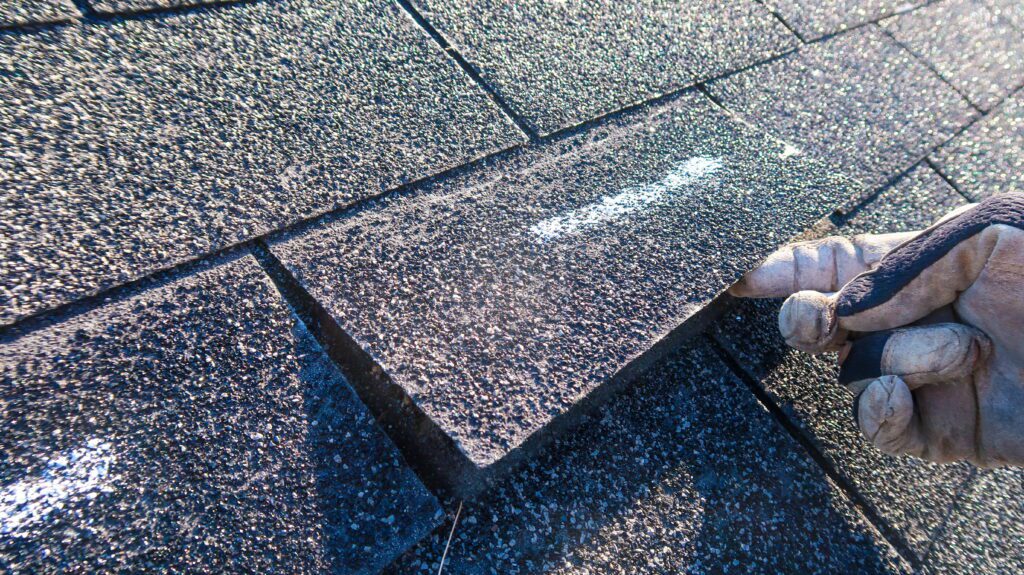
A fortified roof is a roofing system built to perform beyond typical residential standards. Instead of relying on a single product or upgrade, it focuses on strengthening the parts of the roof most likely to fail during severe weather.
The FORTIFIED Home standard, developed by the Insurance Institute for Business & Home Safety, is based on real-world research into how roofs fail during storms. Roofing manufacturers such as Owens Corning use that research to develop systems that help reduce wind damage and limit water intrusion, improving overall roof performance.
Fortified roofing can be applied to a wide range of homes, including single-family properties, older houses, storm-prone neighborhoods, and both new construction and full roof replacements.
Fortified residential roofing systems are built to comprehensively address the areas where residential roofs are prone to failure during severe weather.
High winds can place significant upward pressure on a roof. Fortified roofing uses enhanced fastening patterns to secure the roof deck more firmly to the home’s structure. This added attachment strength helps reduce uplift during storms and lowers the risk of decking or shingles being torn away.
A sealed roof deck adds a secondary water barrier beneath the main roofing materials. If shingles or other coverings are damaged, this layer helps keep water from entering the attic or living space. For homeowners, it can mean the difference between exterior repairs and interior water damage.
Roof edges and perimeters are among the most common failure points in high winds. Fortified roofing reinforces these areas with wind-rated details designed to help the roof stay intact under pressure. Strengthening the edges helps stabilize the entire roof system during storms.
Fortified systems often include roofing materials designed to withstand hail and strong winds. These materials help the roof do its job during severe weather, reducing the likelihood of repeated storm-related damage.
Vents, chimneys, and skylights can become weak points if they are not properly secured. Fortified residential roof installation uses improved sealing and attachment methods around these penetrations to reduce the risk of leaks when wind-driven rain or debris is present.
At first glance, a fortified roof and a standard residential roof can look very similar. The difference shows up when severe weather puts the roof to the test. Standard roofs are built to meet minimum code requirements and are typically repaired after damage occurs. Fortified roofing is designed to reduce the chance of that damage happening in the first place.
Here’s how the two systems compare to one another:
For homeowners, this difference can mean fewer emergency repairs and less stress after storms.
Roof performance plays a major role in how a home weathers severe storms over time. When damage occurs, the impact often shows up through insurance claims, unplanned repairs, and stress inside the home.
Fortified roofing systems are designed to reduce the types of failures that commonly lead to water intrusion and repeated storm damage. Fewer failures often mean fewer claims, less interior disruption, and more predictable maintenance costs over the life of the roof.
Some insurance providers recognize the reduced risk associated with FORTIFIED homes and may offer incentives or premium considerations, depending on the carrier and policy. While fortified roofing may cost more upfront than standard systems, many homeowners find long-term value in fewer repairs and greater peace of mind.
FORTIFIED roofing is not a one-size-fits-all system. The standards follow specific levels so property owners can choose the amount of protection that fits their home and its use.
FORTIFIED Roof focuses on strengthening the roof system itself. This level addresses how the roof deck is attached, how water is managed, and how key roof components are secured to improve resistance to wind and water intrusion.
FORTIFIED Silver includes all FORTIFIED Roof requirements with extended protection to components such as parapets, doors, windows, and other areas that protect against wind and water damage during severe weather.
FORTIFIED Gold is the most comprehensive level. It emphasizes structural continuity by connecting the roof system to the rest of the home so loads are transferred more effectively during extreme weather events.
Fortified residential roofing follows a clear, structured process designed to minimize disruption while improving roof performance.
The process starts with a walkthrough of the existing roof system, assessing how it has performed over time and where storm-related risks tend to occur.
Based on the inspection findings, a roofing approach is developed that meets FORTIFIED standards and aligns with the building’s use.
Costs, timelines, and material options are reviewed together, with an emphasis on realistic planning and minimizing disruption whenever possible.
Roofing work is scheduled and phased to limit interruptions to residents.
Once the work is complete, documentation and warranty information are provided, along with guidance tied to Bluegrass’s roof warranty and long-term planning considerations.
A fortified roof is a residential roofing system designed to perform better than standard code-built roofs during severe weather. It focuses on strengthening the areas most likely to fail, helping protect against wind and water damage when storms hit.
Yes. Fortified roofing systems can be used on many homes in the Lexington area, including single-family houses, older homes, and new construction. They are most often added during a roof replacement, but they can also be built into new homes.
Fortified roof requirements are set by the Insurance Institute for Business & Home Safety under the FORTIFIED Home program. While details vary by level, they generally include stronger roof deck attachment, sealed roof decks, reinforced edges, wind-rated materials, and better protection around vents and penetrations.
Cost depends on factors like home size, roof type, the chosen FORTIFIED level, and the condition of the existing roof. Fortified roofing typically costs more upfront than a standard roof, but many homeowners see value in fewer repairs and less storm-related stress over time.
Some insurance companies offer incentives or premium considerations for FORTIFIED homes, depending on the carrier and policy. While discounts are not guaranteed, fortified roofing can help reduce overall risk, and we help homeowners understand the documentation involved.
Often, yes. Older homes may have weaker roof attachments or outdated materials. Fortified upgrades can strengthen those areas, reduce repeated storm damage, and support longer roof life when replacement is already planned.
In many cases, fortified features are added during roof replacement. Existing roof decks can often be reinforced, but an inspection is needed to determine what upgrades are practical for the home.
Installation timelines vary based on roof size, system type, and the selected FORTIFIED level. In most cases, a fortified roof takes a few days to fully install, about the same time as a standard roof replacement. Some added steps may extend the schedule slightly, but projects are planned to avoid long disruptions to daily home life.
Fortified residential roofing requires more than installing materials correctly. It requires understanding how the entire roof system performs under real-world conditions. As an experienced residential roofing company, Bluegrass Roofing & Consulting approaches fortified roofing as a planned system rather than a short-term fix.
With experience in residential roof installation and replacement across Central Kentucky, the team understands how local weather patterns, home construction styles, and long-term maintenance goals should shape roofing decisions. That consultative approach helps homeowners make informed choices that align with both immediate needs and long-term protection.
Fortified roofing integrates seamlessly with Bluegrass’s residential roofing services, supported by careful planning and warranty-backed workmanship. Clear documentation and long-term coverage, including guidance tied to the company’s roof warranty, help ensure fortified systems continue performing as intended.