As long as your business stays dry and everything runs as it should, your roof rarely demands attention. But in an area like Lexington with unpredictable weather, small roof issues can slip by. Wind and hail can damage materials, heavy rain can stress drainage systems, and freeze-thaw cycles slowly work at seams and flashing. These changes happen gradually, making them easy to miss until a leak or an interior issue finally brings the roof back into focus.
Commercial roof maintenance is less about avoiding sudden failure and more about catching these gradual changes early. This guide walks through the commercial roof maintenance process, how often it should be scheduled in Central Kentucky, and the warning signs that it’s time to schedule roof maintenance for your commercial roofing system.
Why Commercial Roof Maintenance Is Important
Your business’s roof protects your property’s structure and everyone inside. Roof damage can significantly impair the areas you care about most, such as workspaces, equipment, inventory, and tenant areas. Water doesn’t just sit still on the roof. It finds paths into everything, from insulation to walls, ceilings, and more.
Routine commercial roof maintenance shifts the focus from reacting to problems to catching patterns before they worsen. Over time, this approach helps roofs last significantly longer and reduces the likelihood of unplanned repairs that disrupt business.
Many manufacturer warranties also require documented proof of maintenance. Skipping inspections may not cause issues right away, but it can create complications later if a claim is needed.
How Often Should a Commercial Roof Be Maintained?
There is no one schedule that works for every building, but consistency matters. Most commercial roofs benefit from professional inspections twice a year, typically in the spring and fall. Spring inspections often reveal issues caused by winter weather, while fall inspections help prepare the roof for colder months ahead.
Additional commercial roof maintenance services may be needed after major storms—even if no damage is obvious from the ground. Between professional visits, stay aware of changes, such as new ponding water or interior water damage, to determine when a closer look is needed.
Commercial Roof Maintenance Checklist
You do not need to be a roofing expert to notice when something feels off. This commercial roof maintenance checklist helps you stay aware of changes over time. If anything here sounds familiar, it may be worth taking a closer look before the issue worsens.
Here are some warning signs to look out for:
- Interior Warning Signs
Ceiling stains, bubbling paint, musty odors, or subtle warping near exterior walls often point to moisture intrusion. These signs tend to appear inside before roof damage is visible from the outside.
- Roof Surface Condition
When it’s safe to access the roof, look around for any obvious changes. Cracks, blisters, or punctures in the roofing material are significant vulnerabilities that allow water to seep beneath the surface.
Areas where water sits longer than usual are red flags, as standing water puts extra stress on the system and accelerates wear.
- Roof Surface Flashing and Penetrations
The areas around vents, pipes, skylights, and roof edges tend to be more vulnerable than open roof sections. Dried-out sealant, small gaps, or metal flashing that has shifted or started to corrode are common sources of leaks if they’re left unaddressed.
- Drainage System Performance
Your drains and scuppers are intended to move water off the roof. If water backs up, gutters overflow, or debris keeps collecting in the same low spots, these drainage systems may not be working as they should. Poor drainage is one of the fastest ways small roof issues turn into bigger problems.
- Rooftop Equipment and Supports
HVAC units and other rooftop equipment can cause movement and vibration on the roof over time. Loose curbs, damaged supports, or exposed fasteners can cause roofing materials around them to wear down. These areas often need closer monitoring because problems develop gradually.
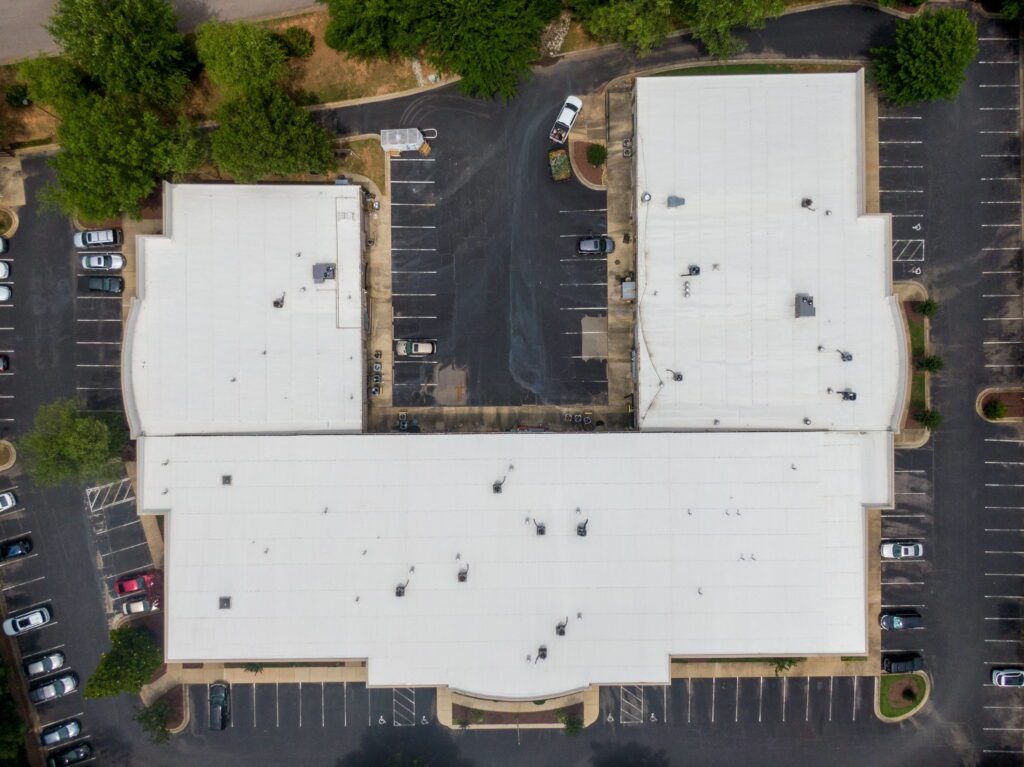
Drainage and Rooftop Equipment: Where Small Issues Add Up
When water channels off the roof the way it should, it’s safe to assume everything is fine. When it starts lingering, problems tend to follow.
Even shallow ponding puts extra stress on roofing materials, seams, and insulation over time. In Lexington, where rain events often happen in clusters and freeze-thaw cycles are common, standing water can be especially hard on a roof.
Leaves and branches can compound the issue, collecting around drains or scuppers and slowing things down. HVAC units and other systems bring weight, vibration, and foot traffic into the mix, particularly around curbs and penetrations. These areas don’t usually fail all at once, but gradual wear here is a common source of leaks later on.
The Biggest Threats to Commercial Roofs in Central Kentucky
Roofing threats occur across different properties, roof types, and budgets, but the underlying causes tend to recur. Knowing which trouble spots to watch for makes it easier to spot issues early, rather than being surprised by them later.
- Wind Uplift and Storm Damage
Strong winds can loosen edges, seams, and flashing. Even when damage is not immediately visible, repeated wind exposure can weaken the roof’s ability to stay sealed during future storms. - Standing Water and Poor Drainage
Improper water drainage puts constant pressure on roofing materials. Over time, ponding water increases the risk of leaks and accelerates wear, especially during freeze-thaw cycles. - UV Exposure and Thermal Movement
Sun exposure slowly breaks down roofing materials, making them less flexible. As temperatures rise and fall, materials expand and contract, which can stress seams and transitions. - Foot Traffic and Equipment Vibration
Excessive service work creates foot traffic damage. Combined with vibration from rooftop equipment, this wear tends to appear around curbs, penetrations, and walkways. - Debris Buildup and Organic Growth
Leaves, dirt, and plant growth trap moisture and block drainage. When the roof stays damp longer than it should, deterioration happens faster.
DIY Monitoring vs. Professional Commercial Roof Maintenance
As a building owner or property manager, you should keep an eye out for interior stains, new ponding areas, debris buildup, or equipment that looks out of place. These are indicators that it’s time to schedule professional commercial roof maintenance.
Professional inspections and maintenance go further than surface-level checks. Trained roofers know where problems tend to develop and how early warning signs appear on various roofing systems, especially in Kentucky’s climate. They even provide the necessary documentation to protect warranties and support insurance claims after storms.
Commercial Roof Maintenance Plans: Why They Help More Than You Think
Having a formal commercial roof maintenance plan in place establishes a predictable schedule, documents roof conditions, and addresses small issues before they grow. This approach turns roof care into something you plan for rather than something that disrupts operations.
Commercial roof maintenance plans also support predictable budgeting. Costs are spread out rather than being unexpected, which is especially helpful for property managers who oversee multiple buildings. Over time, inspection trends can also guide decisions about repairs, upgrades, or the timing of future replacements without feeling rushed.
When Maintenance Isn’t Enough
Even with consistent care, every roof reaches a point where maintenance alone cannot solve the problem. Recognizing that moment early helps avoid pouring time and money into short-term fixes.
Repeated leaks are often the first sign. If the same areas keep showing problems despite repairs, the underlying system may be failing. Widespread membrane issues, deteriorated insulation, or structural concerns beneath the roof surface are other indicators that maintenance is no longer addressing the root cause.
This is where inspections shift from routine upkeep to longer-term planning. Instead of asking how to keep patching the roof, the focus shifts to protecting the building over the next decade. Clear inspection records and an understanding of roof warranty requirements help guide these decisions, reducing surprises.
Commercial Roof Maintenance FAQs
For most buildings, twice-a-year inspections in the spring and fall tend to catch issues caused by seasonal weather changes. It also makes sense to schedule an extra inspection after a major storm, especially if the roof is older or has a lot of rooftop equipment.
Roof maintenance typically covers a full inspection of the roof surface, flashing, penetrations, and drainage. It also includes services like debris removal, minor repairs, and basic cleaning, along with written documentation.
The exact scope depends on factors like the roof type and condition, but the goal is always to catch issues early.
Yes—regular care helps prevent moisture from spreading, reduces stress on materials, and slows wear that can lead to early failure. Many commercial roofs gain an extra 10 to 15 years simply because problems are addressed before they escalate.
It varies based on roof size, system type, and condition, but for most buildings, maintenance is a modest annual expense. When compared to emergency repairs or interior damage from leaks, it is typically one of the more cost-effective strategies of building upkeep.
Small issues tend to stay hidden until they cause noticeable damage. By that point, repairs are usually more involved and more expensive. Skipping maintenance can also shorten the roof’s lifespan and, in some cases, affect warranty coverage.
They do. Inspection reports and maintenance records show that the roof has been properly cared for, which can make storm-related claims smoother and reduce disputes about when damage occurred.
Protect Your Lexington Business with Proactive Roof Maintenance
Commercial roof maintenance works best when it is consistent and informed. Knowing how your roof is aging and where issues tend to develop helps keep decisions practical instead of reactive. Having a clear, professional assessment makes it easier to decide what needs attention now and what can be planned for later.
Bluegrass Roofing & Consulting works with Lexington businesses to evaluate roof conditions, identify early warning signs, and provide guidance informed by years of commercial roofing experience in Central Kentucky.
When questions come up about roof condition or maintenance timing, working with a local commercial roofing team helps remove the guesswork. Bluegrass Roofing & Consulting provides professional inspections and straightforward recommendations so small issues are addressed before they become larger disruptions.