What Kentucky property managers and building owners need to know about apartment roofing systems, maintenance, repairs, replacement, and choosing a qualified contractor:
- Apartment Roof Systems Vary: Multifamily properties can have low-slope roofing, pitched roofing, or a combination of both.
- Roof Lifespan Depends on the System: Material, installation, weather exposure, drainage, and maintenance all affect how long a roof lasts.
- Replacement Costs Are Property-Specific: Roof size, roofing system, existing conditions, drainage, tear-off needs, and project access can affect the final price.
- Commercial Experience Matters: Your roofer should know how to work safely and efficiently around occupied properties.
One of the biggest challenges of apartment roofing is knowing whether you’re dealing with an isolated problem or something more widespread. One roof leak can start as a stain in a top-floor unit and turn into another tenant reporting the same thing two doors down.
At Bluegrass Roofing & Consulting, we’ve worked on commercial roofs across Lexington and Central Kentucky long enough to know these decisions get a whole lot easier when you have professional assistance. In this guide, we leverage our commercial roofing experience to outline the different types of apartment roofing systems, the repair and maintenance process, and how to choose an apartment roofing contractor in Kentucky.
What Is Apartment Roofing (and How It Differs from Residential)?
Apartment roofing can include low-slope commercial systems, pitched metal or shingles, or a mix of both. With multifamily and apartment complex roofing, you must also account for occupied units, resident access, and sometimes multiple buildings.
Low-Slope vs. Pitched Roofs — Why It Changes Everything
A roof that looks flat from the parking lot still needs a reliable way to move water off the building. Low-slope roofs drain through internal drains, scuppers, or commercial gutters, while pitched roofs shed water toward exterior drainage. When those paths get blocked, water can start hanging around where you don’t want it.
Who Is Responsible for the Roof on an Apartment Building?
The property owner or management team usually leads roof maintenance and repairs, though exact responsibility depends on your agreements and lease terms. If you’re managing the property, that usually means inspections and repair records fall on you.
Common Apartment Roofing Systems in Kentucky
Drive past a few apartment properties in Central Kentucky, and you might see a broad low-slope roof on one building and shingles or metal on the next. A building’s slope and design indicate which roofing system belongs where.
- TPO Roofing: TPO is a single-ply membrane used on low-slope commercial roofs. Its seams are heat-welded, so watch penetrations and drainage. PVC is a similar single-ply option made from a different material.
- EPDM Roofing: This flexible rubber membrane is common on low-slope roofs. Its seams typically use adhesive or seam tape, so inspectors should always check edges and older repairs.
- Modified Bitumen and Built-Up Roofing: Modified bitumen is a reinforced asphalt-based membrane, while built-up roofing layers bitumen with reinforcing material and may be topped with gravel. That “tar-and-gravel” name is also where terms like apartment roofing tar come from.
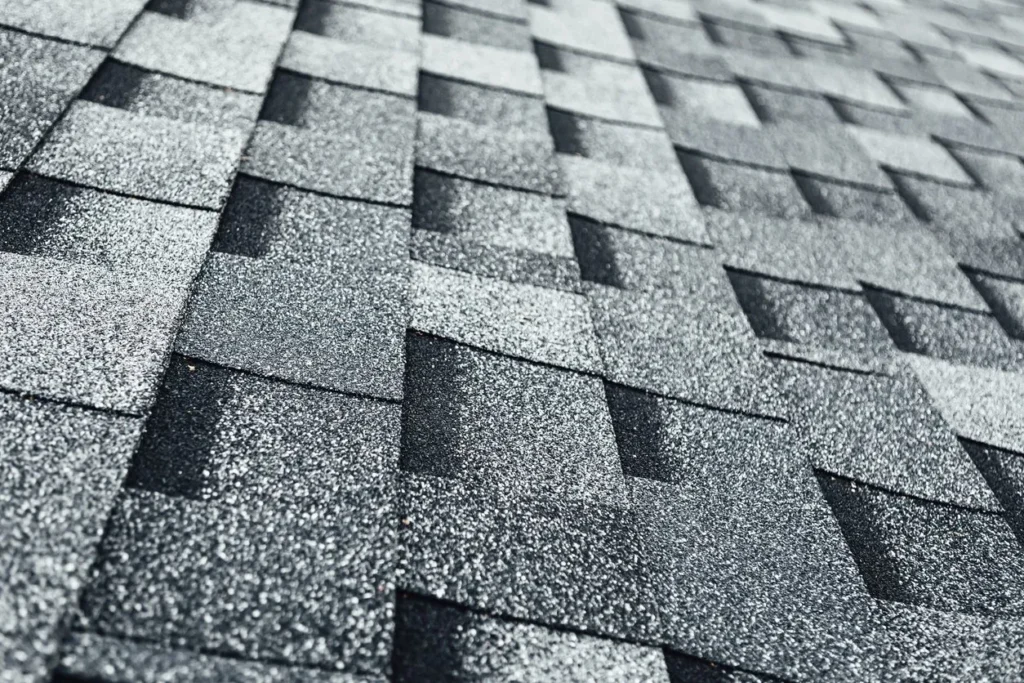
- Metal and Asphalt Shingles: Apartment buildings with pitched, residential-style rooflines may use metal or asphalt shingles. The roof’s pitch, drainage, and overall design help determine the best fit.
Apartment Roof Maintenance — What Kentucky Property Managers Should Know
You’d rather find a roof problem during a scheduled inspection than when a tenant calls about a ceiling stain. A simple apartment roof maintenance routine can help you stay ahead of those calls.
Twice-Yearly Inspections (Spring and Fall)
We recommend professional inspections in spring and fall, which lines up with National Roofing Contractors Association guidelines. Your roofer should check the roof surface, seams, flashings, penetrations, drainage areas, and rooftop equipment, paying close attention to trouble spots like debris piled around a drain or water sitting where the roof should already be dry.
After-Storm Protocol
Don’t assume everything is fine just because water isn’t coming through a ceiling. Check top-floor units for fresh ceiling stains and damp spots after major storms. Then have suspected roof damage addressed promptly. Take photos, videos, and written notes to create a record of what happened while the storm is still fresh, as this can help during insurance discussions.
Professional Roof Maintenance
A clogged drain or questionable seam is much easier to catch during routine maintenance than after it starts causing trouble. Professional roof maintenance also gives you a record of what was handled and what needs another look next time. This is especially valuable if your manufacturer’s warranty has specific maintenance requirements.
Apartment Roof Repair and Replacement — Costs and Decision Framework
When an apartment roof starts giving you trouble, the first question is usually whether to repair or replace it.
Repair vs. Replace — How to Decide
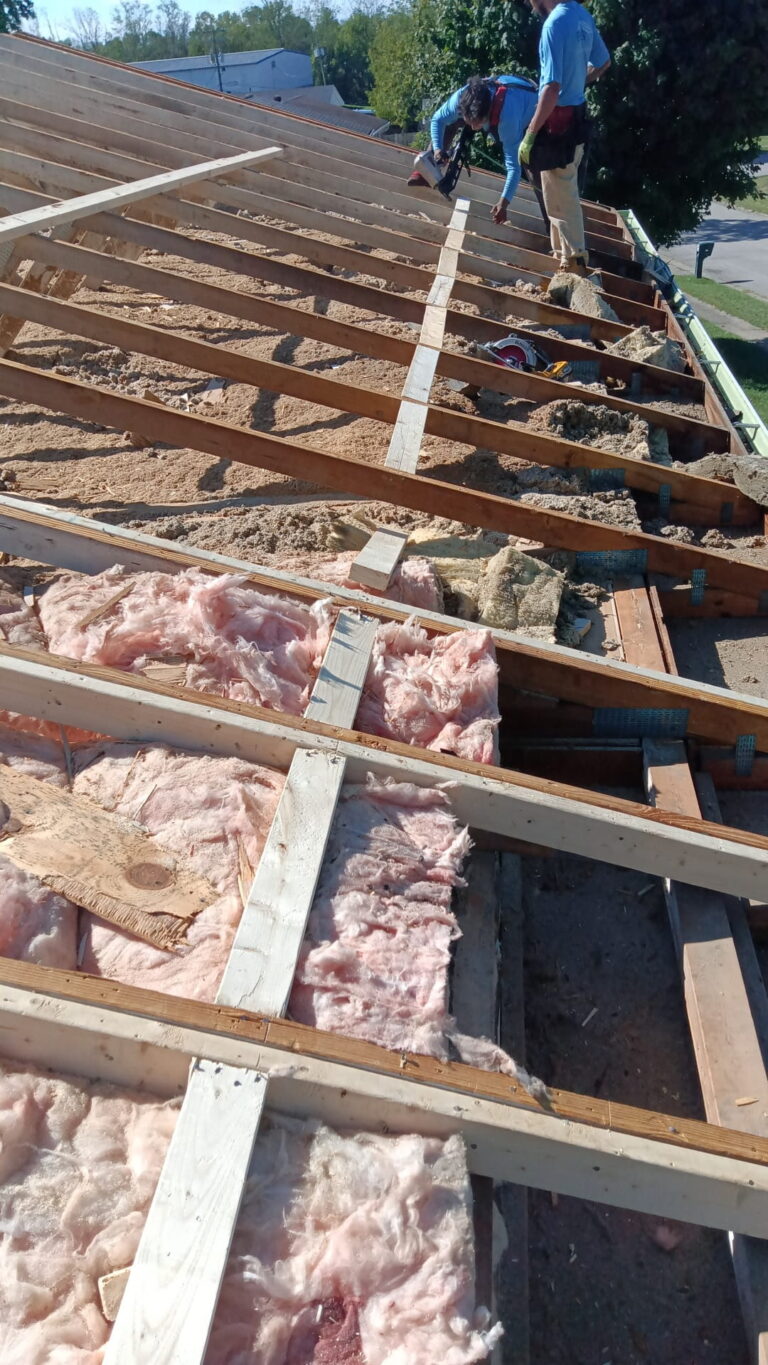
Commercial roof repair may make sense when damage is isolated, and the rest of the roof is in good shape, such as a localized membrane, flashing, seam, or storm-related issue. Widespread deterioration, recurring leaks, drainage trouble, or problems with the insulation or roof deck can point toward commercial roof replacement.
The roof’s age and repair history matter too. If the same building keeps showing up on your repair invoices, ask yourself whether another repair still makes financial sense.
What Does Apartment Roof Replacement Cost in Kentucky?
Be wary of any apartment roofing company that gives you a firm roof replacement price from a quick look at the building. Wet insulation, damaged decking, drainage work, rooftop equipment, and tear-off requirements can all change the scope.
If you’re trying to estimate apartment roof replacement cost, use our roofing cost calculator as a starting point. Then schedule an on-site inspection to account for conditions a general estimate can’t see from the ground.
Does Insurance Cover Apartment Roof Replacement?
If a storm damages your apartment roof, your commercial property insurance may help cover repairs or replacement, depending on your policy and what caused the damage. We can help you document the damage with photos, videos, and written findings, communicate with adjusters when appropriate, and request an inspection report for your records.
Your insurance carrier ultimately determines coverage, so check your policy for specific claim requirements.
How to Choose an Apartment Roofing Contractor in Kentucky
Look for an apartment roofing contractor with relevant commercial or multifamily experience, proper insurance, manufacturer credentials, and clear estimates and warranty terms. They should also be able to explain how they’ll keep residents safe and entrances accessible when crews and equipment arrive on the property.
Questions to Ask Before Signing a Contract
- What recent apartment, multifamily, or comparable commercial roofing projects have you completed, and can you provide references or project examples?
- Which roofing system do you plan to use, and are you certified by that manufacturer to install it?
- What does the warranty cover, and what maintenance will be required to keep it valid?
- Who will supervise the project while crews are on the property?
- How will you protect residents and keep necessary entrances or common areas accessible during the work?
Why Local KY Experience Matters for Apartment Roofing
A Kentucky roof can go from winter cold to spring storms with plenty of hot or wet weather in between. Bluegrass Roofing & Consulting is a family-operated, veteran-owned Kentucky company with more than five years of commercial roofing experience across Lexington and Central Kentucky. We bring local commercial roofing experience to every apartment roofing project because property managers deserve clear answers about the structures that protect their tenants. Our team is fully licensed and insured, we’re an Owens Corning Preferred Contractor, and we’re certified by GenFlex and Duro-Last. We also maintain an A+ BBB rating.
Whether you’ve spotted a new problem or you’re trying to make sense of an aging roof, we’ll take a good look, document our findings, and help you decide what makes sense for the property and the people living there.
FAQ
It depends on the building’s design and regional climate. A low-slope roof has different needs than a pitched one, and drainage, budget, and the existing roof all factor into the decision. The best way to get an accurate assessment is to schedule an on-site apartment roofing estimate.
Apartment roof lifespans depend on the material used, the installation quality, weather, drainage, and how well the roof has been maintained.
Apartment roof replacement costs vary based on the property size and the roofing materials you choose.
Spring and fall are good times to schedule inspections. We also suggest scheduling inspections after major storms, especially if something seems off inside or around the roof.
You want a roofer experienced in commercial or multifamily properties who will safely work around occupied units, resident access, and low-slope systems.